




Table of Contents
The Rise Of Immersive Casino Worlds
There was a time when online casinos felt rather plain, just a screen and a few spinning reels. But, lately, the pace of change feels electric. The next wave of tech trends is redefining what it means to play. As I look at how digital casinos evolve, it’s hard not to feel that sense of stepping into something much deeper than a simple game of chance. On platforms devoted to discovering games, like Gaming Journey, players talk about how modern systems pull them right into the action, blurring the line between gaming and reality.
Immersive design now means detailed slot animations, real-time sound feedback, and dynamic interfaces that respond to a player’s rhythm. Some people even say, perhaps a bit dramatically, that casinos are becoming virtual theme parks.
Artificial Intelligence Shaping Player Experience

AI seems to have slipped quietly into every corner of the online casino experience. It observes patterns, not to spy, but to recommend games, tune bonuses, and even anticipate when someone might want a break. Perhaps it’s a little eerie, but undeniably helpful. These systems also make customer service smoother, cutting down response times. Just the other day, a friend told me how an AI chatbot guided him through slot registration faster than any human had.
💡 Infobox: Artificial Intelligence helps casinos personalize gameplay, prevent fraud, and maintain fair balance tracking without intruding on player privacy.
What’s even more interesting is predictive modeling. Casinos are increasingly using AI to shape bonus policies naturally, adapting to play habits in real time. The psychology of reward becomes data-driven but surprisingly human-like.
Virtual Reality and Casino Landscapes
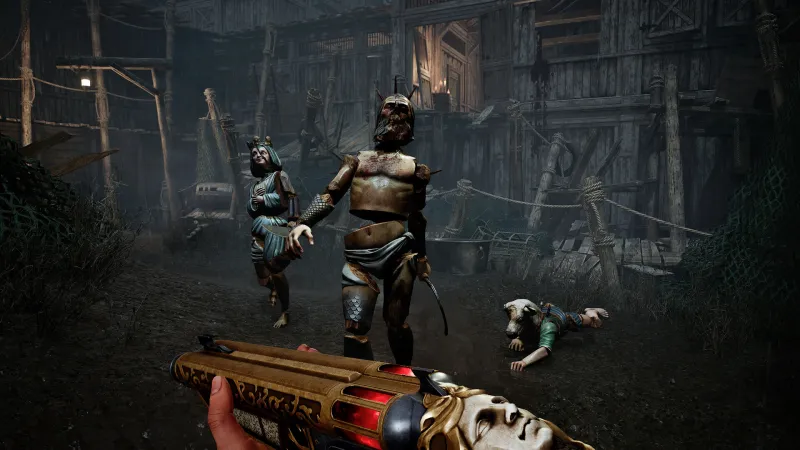
Virtual reality has turned heads for years, yet the casino industry is making it almost practical. You step into a digital lobby, wave at avatars, and walk around with a headset as if you’re in a Las Vegas resort. Sure, the textures are not perfect yet, but the feeling is unreal. You can stand beside another player at a digital roulette table, catch a slight reflection in glass, and feel—yes, feel—that atmosphere.
| VR Feature | Effect On Gameplay |
|---|---|
| 3D Environment | Immerses player into lifelike casino rooms |
| Interactive Avatars | Adds social realism and emotional response |
| Motion Control | Lets users interact physically with digital objects |
Even the tactile devices used for haptic feedback are getting smarter. When you pull a lever or feel the buzz of a slot, it’s more convincing every time. It’s almost absurd how much these little touches change the sense of risk and reward.
Blockchain And Secure Payments
Few technologies have shaken online gambling as much as blockchain. Suddenly, transparency is not just promised; it’s verifiable. Bitcoin casinos, Ethereum-based slots, or even hybrid payment platforms now allow instant transfers without old banking lag time. And for those still skeptical, it’s worth remembering that blockchain can log every spin, transfer, and bonus fairly.
To better understand the connection between emerging payment systems and player trust, look at this comparison table:
| Payment Method | Transaction Speed | Transparency Level |
|---|---|---|
| Credit Card | Medium | Low |
| E-Wallet | High | Moderate |
| Blockchain Token | Very High | Extremely High |
And it’s not just finance; NFTs and smart contracts are influencing slot rewards. Imagine an NFT you could win that carries a loyalty advantage across different gaming sites. It sounds futuristic, but it’s already rolling out in limited platforms.
- Crypto Slots with decentralized tracking
- Provably fair roulette systems
- Instant global withdrawals
Social Play And Online Casino Communities
It’s funny how technology simultaneously isolates and connects us. While VR and AI personalize everything, social tools are weaving players closer together. Voice chat, global tournaments, or daily missions let gamblers share strategies or maybe just cheer one another on, sometimes even mock-laugh when luck turns cruel.
Developers add features that make these platforms feel less solitary. For example:
- Real-time group tournaments and challenge modes where friends can compete or cooperate.
- Shared achievement dashboards that reward collective play sessions.
Maybe the most charming part is the small social perks. Little emojis flying across a screen, avatars waving—it’s the digital body language of the online gambling world. This is where details matter. You can hover over interactive icons, or even use the tooltip below to explore some of them:
Hover over this text to reveal a hidden tip: 🎲 Some casinos offer rewarding micro-challenges that trigger instant bonuses when noticed quickly!
Such playful elements make what could be a cold algorithm-driven system feel a little warmer, more naturally human in its engagement patterns.
- Community-driven jackpots that rise with participation
- Shared chat-based support rooms
- Live dealer cams merging streaming with classic play
- Autonomous dealer systems that adjust to group energy.
- Virtual lounges allowing reward exchange through tokens.
Technically, we haven’t even hit the limit. The blend of virtual social spaces and secure tech continues to expand, defining how immersive game worlds hold us in.
In conclusion, the intersection of new technologies—AI, blockchain, VR, and social design—has quietly reimagined how online casinos function. They’re not just digital betting arenas anymore; they’re interactive worlds that offer identity, presence, and community. Perhaps it’s just the human urge to belong, even in a space of numbers and probabilities. But whatever the reason, immersive casino environments mark the start of something larger. It feels less like gambling alone and more like stepping into a shared digital adventure, one that keeps changing with every update and every spin.